Midface Descent
Flattening or downward movement through the cheek and midface may make the face appear less supported.
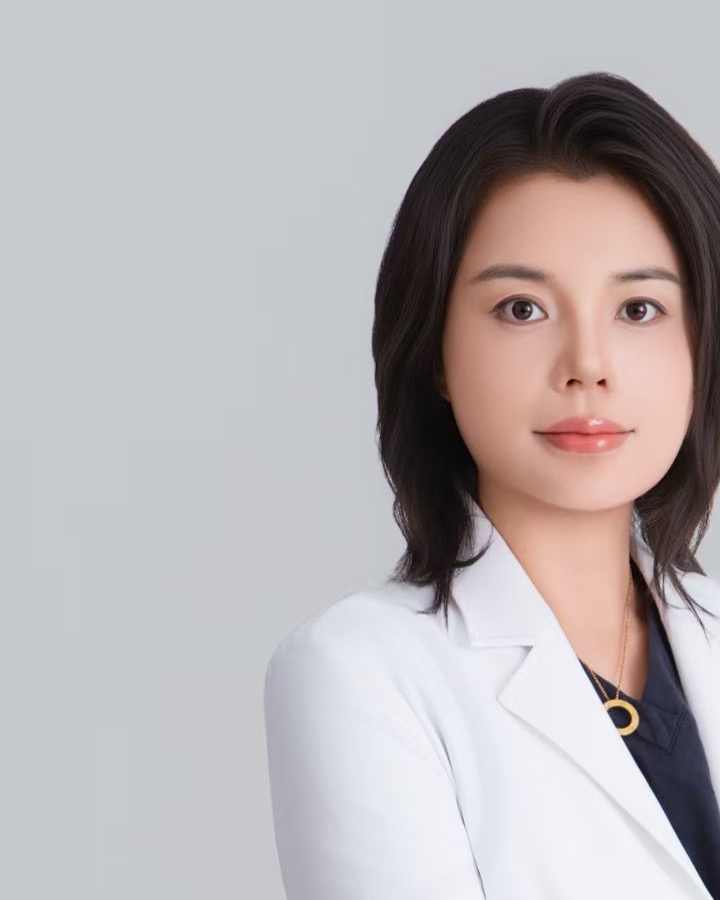
6S Facial Lifting is a structured, physician-led approach for concerns related to facial descent, jawline laxity and changes around the brow and eyes. Your plan begins with an in-person assessment and is tailored to your facial structure, goals and suitability for treatment.
Contact via WhatsAppFacial lifting is a medical treatment. Suitability, technique and recovery differ by individual and require professional evaluation.
Facial aging is not limited to the skin surface. Changes in skin quality, fat distribution, supportive structures and tissue position can appear together, creating a tired or descended look that topical care alone may not fully address.
Flattening or downward movement through the cheek and midface may make the face appear less supported.
Loosening along the lower face can blur the jawline and contribute to the appearance of jowls.
Volume shifts and tissue descent may make the nasolabial region look deeper or heavier.
Brow descent, upper-lid heaviness and periorbital changes can make the eyes look tired.
A professional evaluation helps identify which tissue layers and facial regions are contributing to the concern. The treatment plan can then address the face as a whole rather than focusing on a single line or fold.
A structured facial lifting strategy begins with careful assessment, clear treatment planning and realistic expectations. Every recommendation is made after considering your anatomy, degree of laxity, medical history and personal goals.
During consultation, Dr. Wang Wuqin reviews facial proportions and areas of concern, including the midface, jawline, nasolabial region, brow, periorbital area and skin quality. Treatment options are discussed according to suitability and clinical judgment.
A focused assessment helps clarify the main areas of concern and whether facial lifting is appropriate.
No single plan suits every face. Recommendations are adapted to anatomy, goals and treatment suitability.
Consultation, preparation, treatment and aftercare follow defined clinical and safety procedures.
Recovery guidance and follow-up support are part of the patient journey, including for overseas patients.
The photographs below are supplied by the clinic as real patient before-and-after references. Each patient journey is different, and an in-person medical assessment is required before treatment decisions are made.
Patient photographs: Lighting, styling, expression and camera angle may differ between images. Individual results vary and images are for reference only.
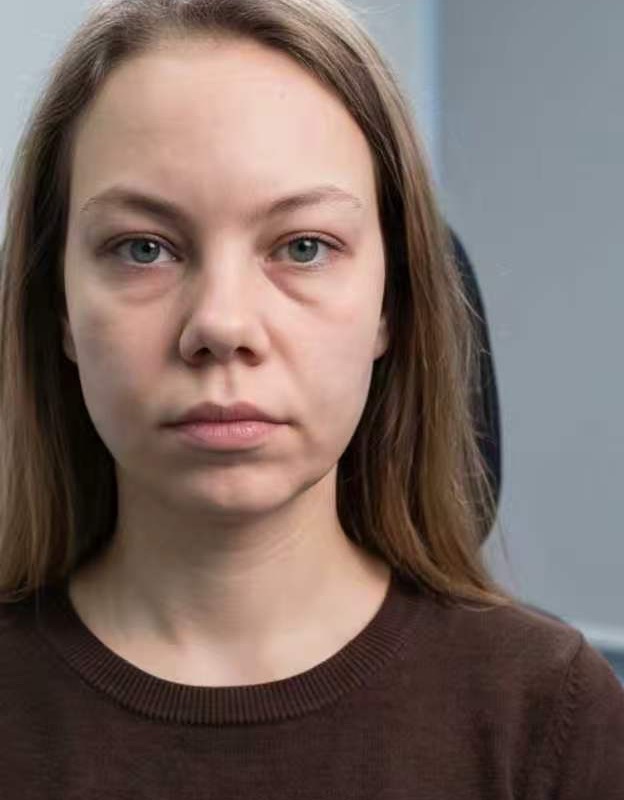

Case 01 · Facial lifting
Individual effect differs, for reference only
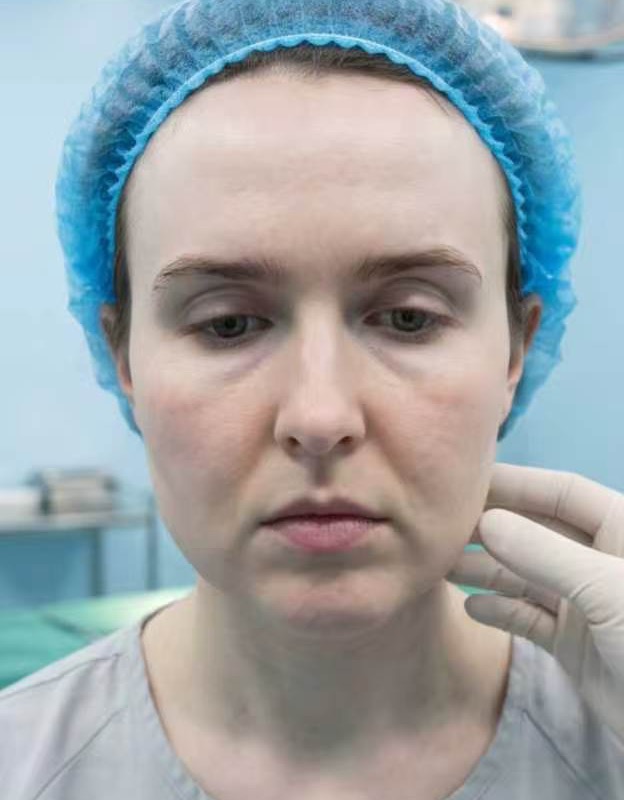
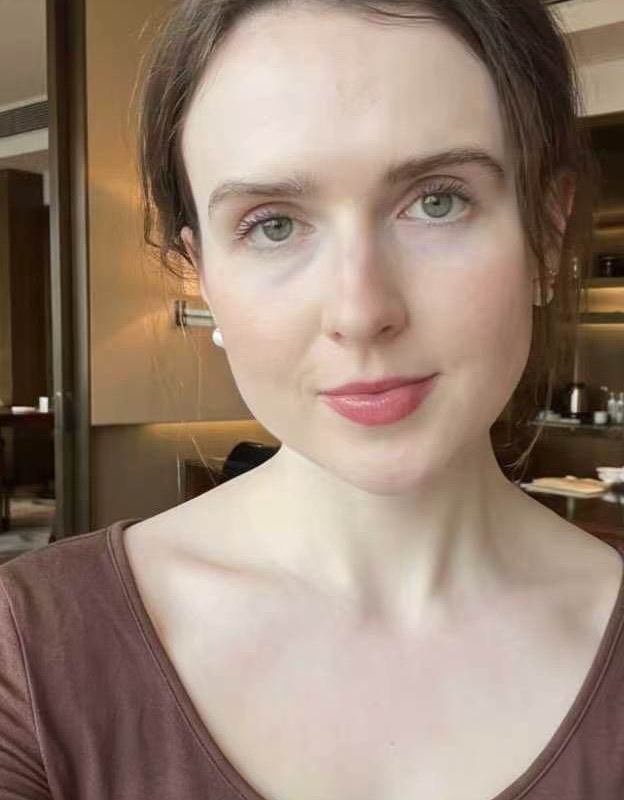
Case 02 · Facial lifting
Individual effect differs, for reference only
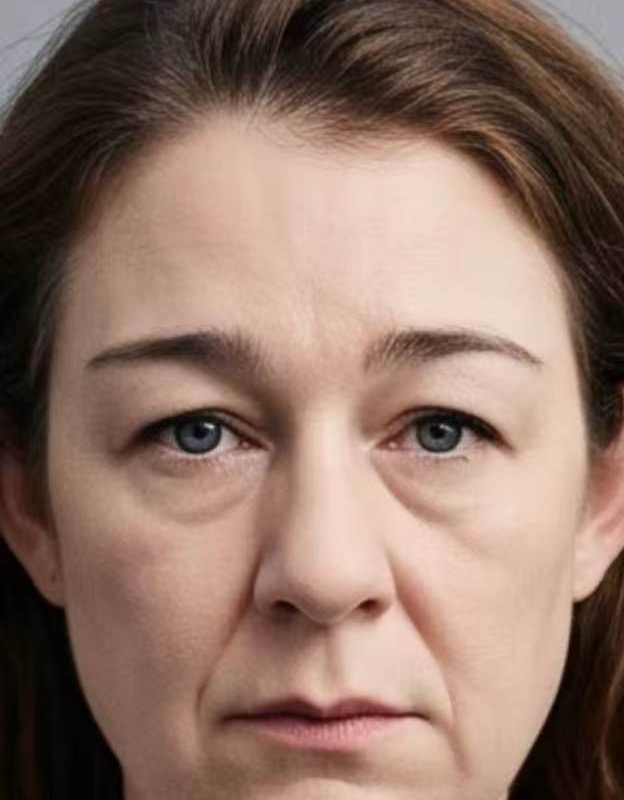
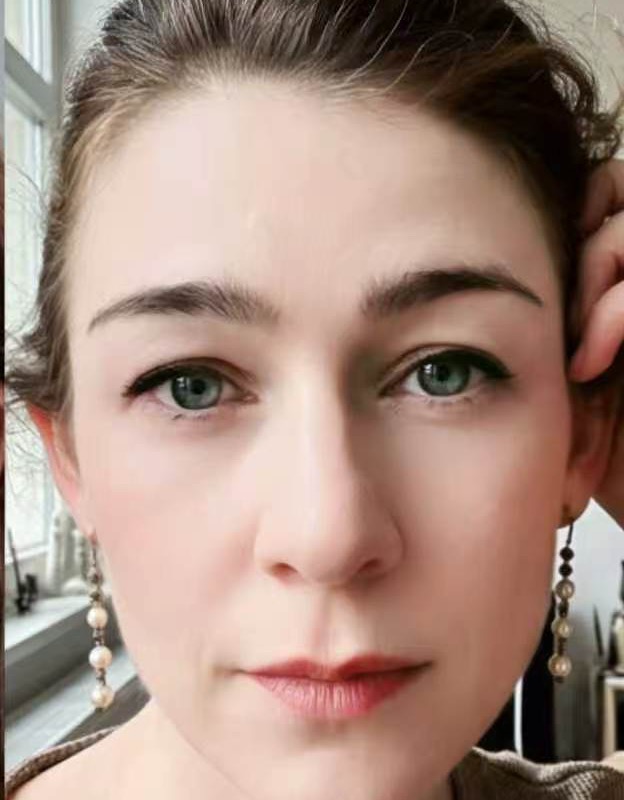
Case 03 · Facial lifting
Individual effect differs, for reference only
Recovery depends on the treatment performed, individual healing and clinical instructions. The stages below provide a general planning framework only.
Swelling, bruising or discomfort may occur. Rest, head elevation and specific wound-care instructions are reviewed before discharge.
A follow-up check helps assess healing and address questions. Activity restrictions are based on your procedure and clinical advice.
Many patients begin returning to usual non-strenuous activities, while exercise, travel and skincare guidance remains individualized.
Remote or in-person follow-up can be arranged where appropriate. Facial changes continue to settle over time and vary by patient.
From the first WhatsApp inquiry to post-treatment follow-up, each stage is designed to make the process clear for patients travelling to Shanghai from overseas.
Share your main concerns and general goals through the WhatsApp consultation channel.
Where suitable, provide requested photographs and medical information for preliminary review before travel.
Coordinate a proposed consultation date and receive general guidance. Visa and entry requirements should be confirmed independently.
Meet the doctor in Shanghai for clinical assessment, suitability review, treatment discussion and informed consent.
If treatment is appropriate and confirmed, it is performed under the planned medical process with recovery guidance.
Arrange remote or in-person follow-up where appropriate and continue to follow your aftercare instructions.
6S Facial Lifting is a structured facial lifting approach based on individualized assessment and treatment planning. The recommended technique and extent of treatment depend on your anatomy, signs of aging and clinical suitability.
No. Suitability depends on your medical history, examination findings, expectations and the risks and benefits discussed during consultation. An in-person assessment is required before a final recommendation is made.
A preliminary review may be possible through WhatsApp using photographs and information you provide. However, remote review cannot replace an in-person medical assessment or determine final treatment suitability.
The treatment plan is designed around your facial structure and goals, with an emphasis on proportionate improvement rather than an exaggerated change. Outcomes and visible change differ by individual.
The appropriate stay depends on your consultation, treatment plan and aftercare requirements. A recommended schedule will be discussed after your needs and proposed treatment are reviewed.
Follow-up can be arranged remotely where appropriate. You will receive aftercare guidance, and any concerns or unexpected symptoms should be reported promptly to the medical team.
Share your concerns and learn how the 6S Facial Lifting consultation process works for overseas patients travelling to Shanghai.
Contact via WhatsApp